
Fighting HIV/AID–
YOU ARE NOT ALONE!

THE HIV/AIDS EPIDEMIC:
Where Does The World Stand?
Human Immunodeficiency Virus
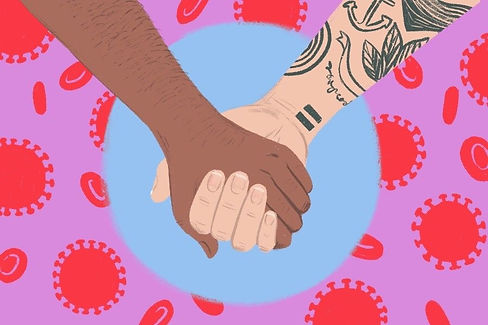
Human Immunodeficiency Virus (HIV) is a virus that aims to attack white blood cells, or CD4 cells, which are part of the immune system.
HIV reduces a person's resistance to critical infections such as tuberculosis and fungal infections, severe bacterial infections, and various cancers by depleting these CD4 cells. As a result, people are more susceptible to various illnesses and diseases. In addition to unprotected sexual activity, sharing injectable supplies or directly touching a sick person's bodily fluids can spread the virus.
Everyone who may be at risk for HIV should be tested, according to the World Health Organization. People who are at higher risk of HIV should aim for comprehensive and effective HIV prevention, testing, and treatment. HIV infection can be detected using self-tests and quick, low-cost diagnostic procedures.
The five Cs of HIV testing must be observed: consent, confidentiality, counseling, correct results, and proper connection between therapies and treatment.
Through the years, the rate of people who acquired HIV/AIDS has been continuously increasing. Human immunodeficiency virus, or HIV for short, is the agent that causes HIV infection. When the infection progresses and advances, it then becomes AIDS which acquired immunodeficiency syndrome. HIV/AIDS has no cure. Once an individual acquires it, they have it for life.
Mission
PositiveAID is a website campaign devoted to eradicating the stigma and taboo surrounding the topic of sexually transmitted virus commonly known as the Human Immunodeficiency Virus (HIV) and Acquired Immunodeficiency Syndrome (AIDS). It will promote a healthier and more comfortable space for individuals who display any HIV/AIDS symptoms as well as any information related to them. Access to various precautions, symptoms, treatments, and knowledge will be accessible online.
Vision
The website campaign, PositiveAID, aims to eliminate the stigma involving the people who acquired HIV/AIDS. It aims to build a society that is well-knowledgeable about HIV/AIDS, its precautions, and its treatments.
Purpose
According to UNAIDS as cited by Yee (2022), the HIV infection rate in the Philippines from 2010 to 2018 has risen by 203 percent and has the fastest-growing HIV epidemic in the region, as opposed to most of the developing world which has decreased HIV infection rates by 18 percent. In addition to this, based on the findings of the 2021 Young Adult Fertility and Sexuality Study (YAFS5) as cited by the University of the Philippines Population Institute (UPPI) (2022), young Filipinos aged 15 to 24 are now less aware about HIV and/or AIDS than they were in 1994, when awareness was 95%, now at 76%. This alarming HIV epidemic in the country along with the loss of HIV awareness is detrimental to the country’s population as HIV remains as an incurable, although treatable, disease. PositiveAID aims to help in mitigating this lack of awareness as HIV infections, teenage pregnancy, and lack of sexual education remains a prevalent issue among the youth.
While the stigma associated with HIV infection is well known, there is little data on how HIV-related stigma affects homosexual males and men who have sex with other men. HIV-related stigma can have negative effects on individuals and entire communities. Alexander at el,. (2018) stated the majority of known cases of the HIV epidemic in the Philippines are among men who have sex with other men (MSM). The experiences of MSM with HIV-related stigma in the Philippines and how they affect behavior and quality of life are currently little understood. During June to August 2017, interviews with MSM who are HIV-positive and staff members of community-based organizations totaled 21. The convergence of HIV-related stigma and stigma against homosexuality, which are founded in ideas of morality, "dirtiness," and sin, had an impact on MSM participants. The purpose of PositiveAID is to raise awareness of the importance of stigma for mental health, the holdups in HIV testing, and the avoidance of HIV-related health care. It also intends to encourage the development of local public health programs that fight stigma on both a social and a personal level.
References
University of the Philippines Population Institute. (2022, October 12). Youth awareness of HIV/AIDS drops to all-time low. uppi.upd.edu.ph. http://www.uppi.upd.edu.ph/news/2022/youth-awareness-of-HIV-AIDS-drops-to-all-time-low#:~:text=Based%20on%20the%202021%20Young,when%20awareness%20stood%20at%2095%25.
Yee, J. (2022, October 22). HIV spread fastest in PH – study. Inquirer. https://newsinfo.inquirer.net/1180286/hiv-spread-fastest-in-ph-study
Adia AC, Bermudez ANC, Callahan MW, et al (2018) “An Evil Lurking Behind You”: Drivers, Experiences, and Consequences of HIV–Related Stigma Among Men Who Have Sex With Men With HIV in Manila, Philippines. AIDS Education and Prevention 30:322–334. https://doi.org/10.1521/aeap.2018.30.4.322
References
Adia, A. C., Bermudez, A. N. C., Callahan, M. W., Hernandez, L. I., Imperial, R. H., & Operario, D. (2018). “An Evil Lurking Behind You”: Drivers, Experiences, and Consequences of HIV–Related Stigma Among Men Who Have Sex With Men With HIV in Manila, Philippines. AIDS Education and Prevention, 30(4), 322-334. https://doi.org/10.1521/aeap.2018.30.4.322
University of the Philippines Population Institute. (2022, October 12). Youth awareness of HIV/AIDS drops to all-time low. uppi.upd.edu.ph. http://www.uppi.upd.edu.ph/news/2022/youth-awareness-of-HIV-AIDS-drops-to-all-time-low#:~:text=Based%20on%20the%202021%20Young,when%20awareness%20stood%20at%2095%25.
Yee, J. (2022, October 22). HIV spread fastest in PH – study. Inquirer. https://newsinfo.inquirer.net/1180286/hiv-spread-fastest-in-ph-study
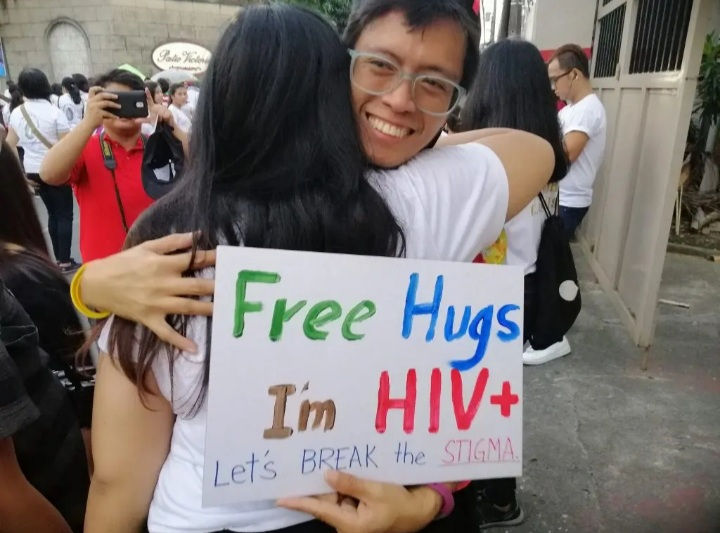
Definition of HIV:
HIV (human immunodeficiency virus) is a virus that attacks cells that help the body fight infection, making a person more vulnerable to other infections and diseases. It is spread by contact with certain bodily fluids of a person with HIV, most commonly during unprotected sex (sex without a condom or HIV medicine to prevent or treat HIV), or through sharing injection drug equipment. The human body can’t get rid of HIV and no effective HIV cure exists. So, once you have HIV, you have it for life. Without treatment, HIV can progress to an advanced stage called stage 3 HIV, or AIDS.
Causes f HIV
.png)
HIV is caused by a virus. It can spread through sexual contact, illicit injection drug use or sharing needles, contact with infected blood, or from mother to child during pregnancy, childbirth or breastfeeding.
HIV destroys CD4 T cells — white blood cells that play a large role in helping your body fight disease. The fewer CD4 T cells you have, the weaker your immune system becomes.

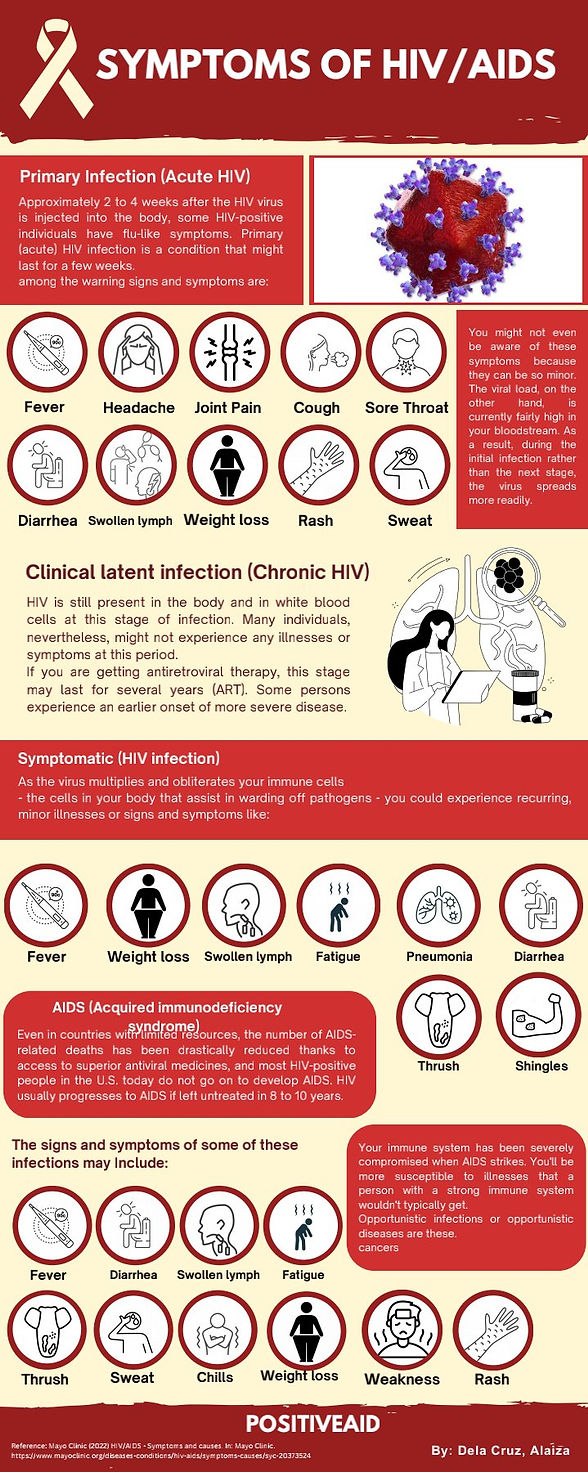
Symptoms of Human Immunodeficiency Virus (HIV)
The symptoms of HIV and AIDS vary, depending on the phase of infection.
Progression to Aids
Progression to AIDS
You can have an HIV infection, with few or no symptoms, for years before it turns into AIDS. AIDS is diagnosed when the CD4 T cell count falls below 200 or you have an AIDS-defining complication, such as a serious infection or cancer. The chances of HIV progressing to AIDS vary widely from person to person and depend on many factors, including:
-
The person’s age
-
The body’s ability to defend against HIV
-
accessibility of quality healthcare
-
the presence of other infections
-
a person’s genetic resistance to certain strains of HIV
-
the strain of HIV, as some are drug-resistant
_edited.jpg)


Definition of AIDS
Acquired immunodeficiency syndrome (AIDS) is a chronic, potentially life-threatening condition caused by the human immunodeficiency virus (HIV). By damaging your immune system, HIV interferes with your body's ability to fight infection and disease.
HIV is a sexually transmitted infection (STI). It can also be spread by contact with infected blood and from illicit injection drug use or sharing needles. It can also be spread from mother to child during pregnancy, childbirth or breastfeeding. Without medication, it may take years before HIV weakens your immune system to the point that you have AIDS.
There's no cure for HIV/AIDS, but medications can control the infection and prevent progression of the disease. Antiviral treatments for HIV have reduced AIDS deaths around the world, and international organizations are working to increase the availability of prevention measures and treatment in resource-poor countries.
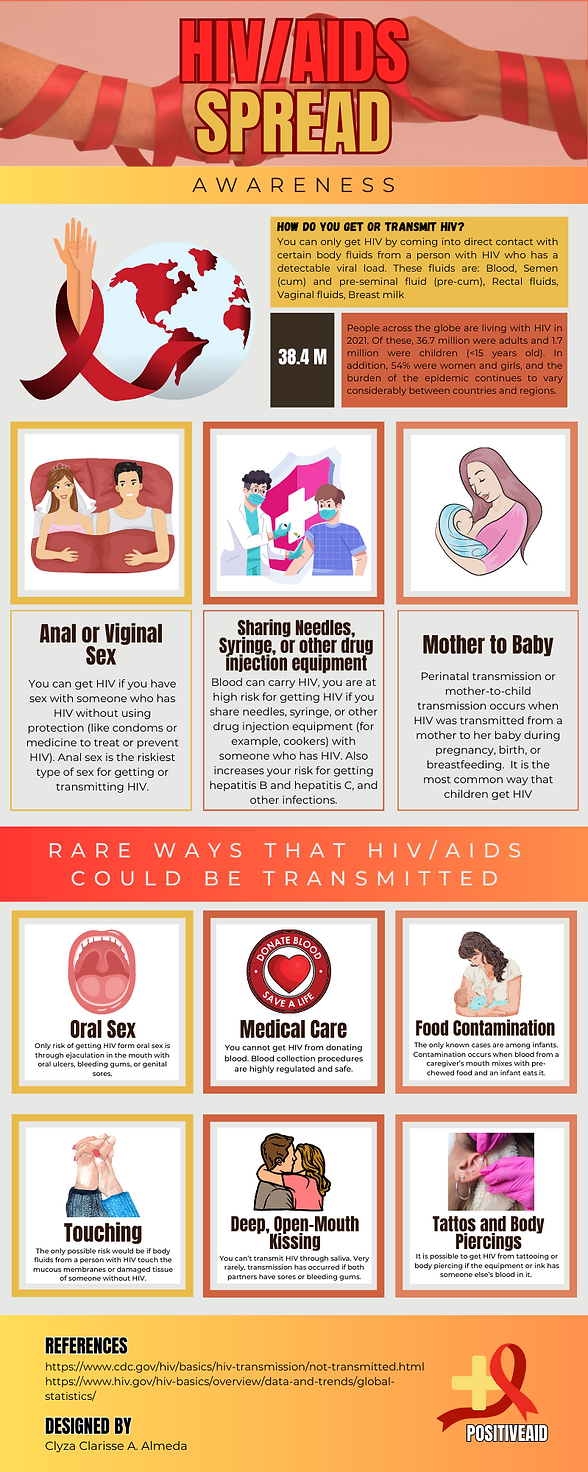
How does HIV/Aids Spreads?
To become infected with HIV and might turn into AIDS, infected blood, semen or vaginal secretions must enter your body. This can happen in several ways:
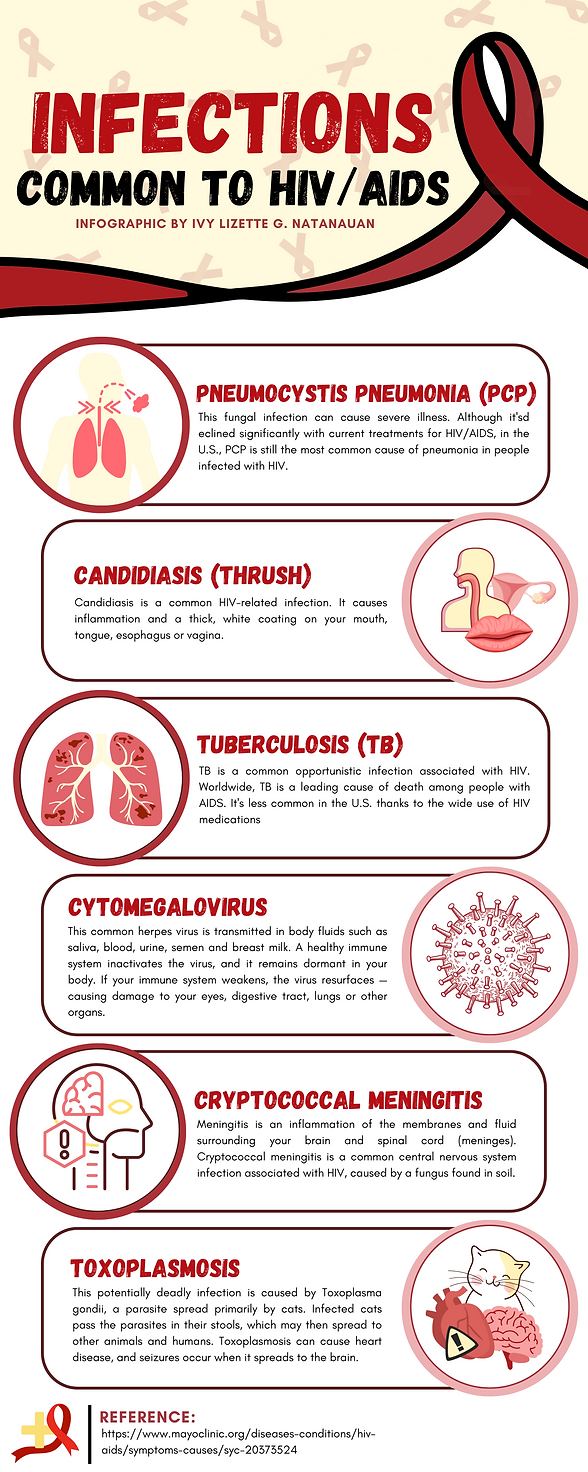
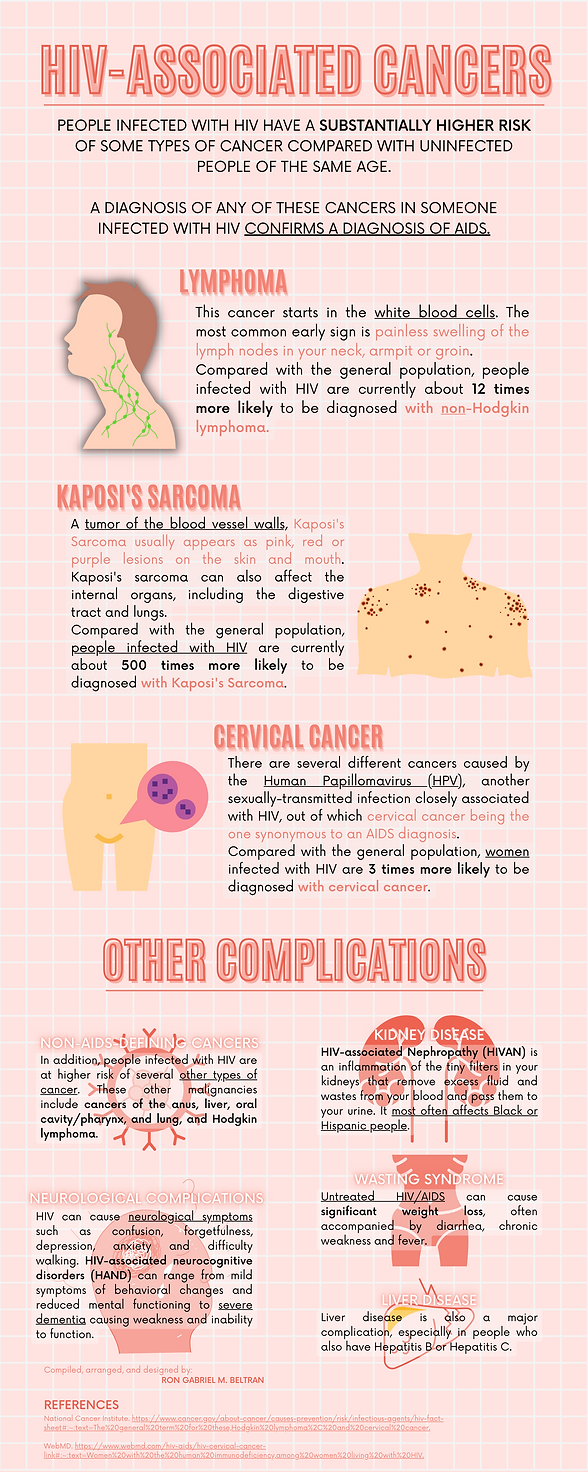
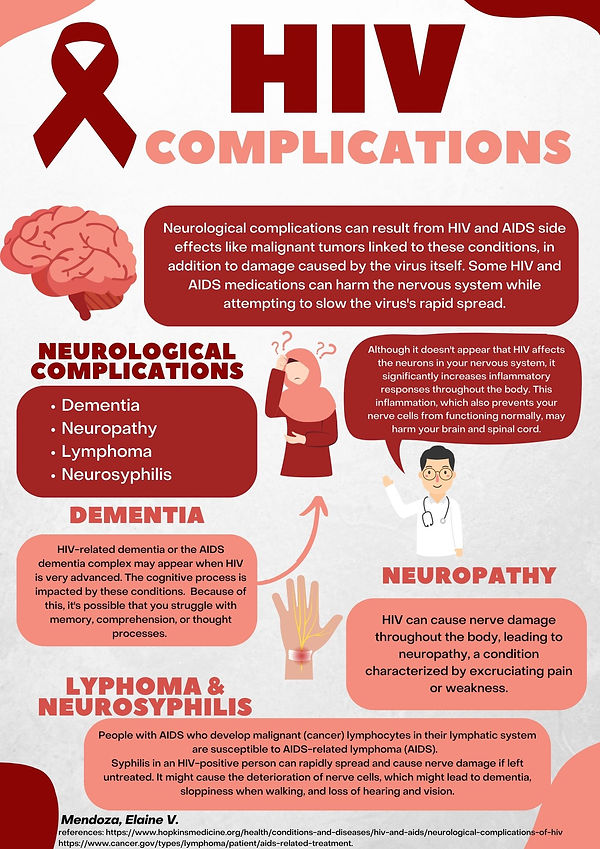
Complications
HIV infection weakens your immune system, making you much more likely to develop many infections and certain types of cancers. Which is presented to the following informations below
%20full%20picture.jpg)
Stigma & Misconceptions
Workers and employees in the Philippines living with HIV who suffer workplace discrimination often do not seek redress, Human Rights Watch said today. The Philippines has the fastest-growing HIV infection rate in the Asia-Pacific region.
Workplace discrimination in the Philippines includes refusal to hire, unlawful firing, and forced resignation of people with HIV. Some employers may also disregard or actively facilitate workplace harassment of employees who are HIV positive. In most of the discrimination cases that Human Rights Watch documented, employees with HIV did not file formal complaints, most frequently due to fear of being further exposed as HIV positive, which could prevent future employment.
The Philippines has strong laws on the books, notably the HIV/AIDS law, which criminalizes workplace discrimination against people living with HIV. But there is little evidence that the government is adequately enforcing the laws to prevent and punish workplace discrimination.
_edited.jpg)
Common Myths about HIV/Aids
-
I can get HIV by being around people who are HIV-positive.
-
HIV isn't spread through touch, tears, sweat, saliva, or pee. You can't catch it by:
-
Breathing the same air
-
Touching a toilet seat or door handle
-
Drinking from a water fountain
-
Hugging, kissing, or shaking hands
-
Sharing eating utensils
-
Using exercise equipment at a gym
-
You can get it from infected blood, semen, vaginal fluid, or breast milk.
-
Mosquitoes spread HIV.
-
Because the virus is passed through blood, people have worried that they could get it from biting or bloodsucking insects. Several studies show that doesn't happen, even in areas with lots of mosquitoes and cases of HIV.
-
When bugs bite, they don't inject the blood of the person or animal they bit before you. Also, HIV lives for only a short time inside them.
-
-
Oral sex is just as risky when it comes to HIV.
-
The risk from oral sex is almost negligible compared with other types of sex. In theory, it seems possible if your partner has HIV, but in reality, that is not the case.
-
-
I'm straight and don't use IV drugs. I won't get HIV.
-
Most men get HIV through sexual contact with other men. But you can get the virus from heterosexual contact with an infected person, too: About 1 in 6 men and 3 in 4 women do. Women who have sex with women have the lowest risk of transmission.
-
-
I could tell if my partner was HIV-positive.
-
You can have HIV without any symptoms for years. The only way for you or your partner to know if you're positive is to get tested. The long period of asymptomatic infection is why the CDC recommends that everyone between 18 and 64 be tested at least once as part of routine blood work.
-
-
I don't need to worry about getting HIV. Drugs will keep me well.
-
Antiretroviral drugs (ART) improve the lives of many people who have HIV and help them live longer. But many of these drugs are expensive and some may have serious side effects. And, with the exception of a newer drug that can be given by injection, you have to take them every day. There's no cure for HIV. And drug-resistant strains of HIV can make treatment harder. Prevention is cheaper and easier than managing a lifelong condition and the problems it brings.
-
Common Myths about HIV/Aids
-
I'm HIV-positive. My life is over.
-
In the early years, when the disease was epidemic and no treatment was available, the death rate from AIDS was extremely high. But today's drugs allow people who have HIV or even AIDS to live much longer, normal, and productive lives. If you start drug treatment right away and take it correctly, it’s possible you won’t ever develop AIDS. And you may live as long as you would have without the virus.
-
HIV could make you more likely to get diseases like cancer, heart disease, and kidney disease. So take your HIV medicine as prescribed and protect yourself with a healthy lifestyle. And tell your doctor about any other health problems you have. HIV drugs can interfere with other medications and make some conditions harder to control.
-
-
I’ll have to take dozens of pills every day.
-
Years ago, people with HIV did need to take a lot of pills. Now, most people starting on HIV treatment take one to four pills daily. You may be able to take medicines that combine two or three drugs in a single pill.
-
-
If I'm getting treatment, I can't spread the virus.
-
HIV treatments can lower the amount of virus in your blood to a level that doesn't show up in blood tests. This is called an undetectable viral load. Studies show that if your viral load is undetectable, you cannot transmit the virus sexually. But if you miss doses of your HIV meds or stop using them, you can pass the virus to others. So be sure to take them exactly as prescribed.
-
You should practice safe sex so you won't give the virus to someone else. Even if you and your partner both have HIV and undetectable virus, wearing condoms can protect you both from other, possibly drug-resistant, strains, as well as other sexually transmitted diseases.
-
-
Now that I have HIV, I can’t have kids.
-
You may be able to safely have children. Doctors can help you take steps to lower -- or remove -- the chance that you’ll pass the virus to your partner during conception. If you're pregnant, your doctor will give you HIV drugs to protect you and your baby. The baby may also be given medication after birth.
-
-
AIDS is genocide.
-
HIV isn't a government conspiracy to kill minorities. Rates of infection are higher in African American and Latino people, but that may be due in part to less access to health care and other social and economic factors.
-
_edited.jpg)
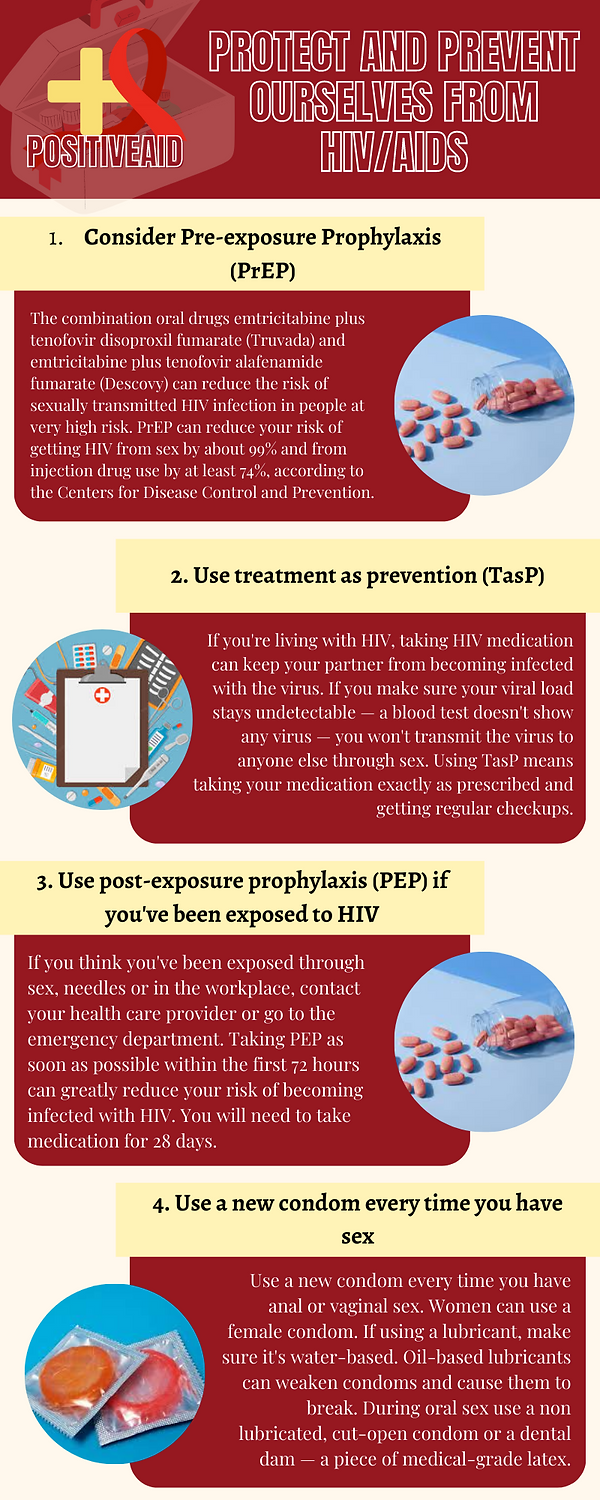
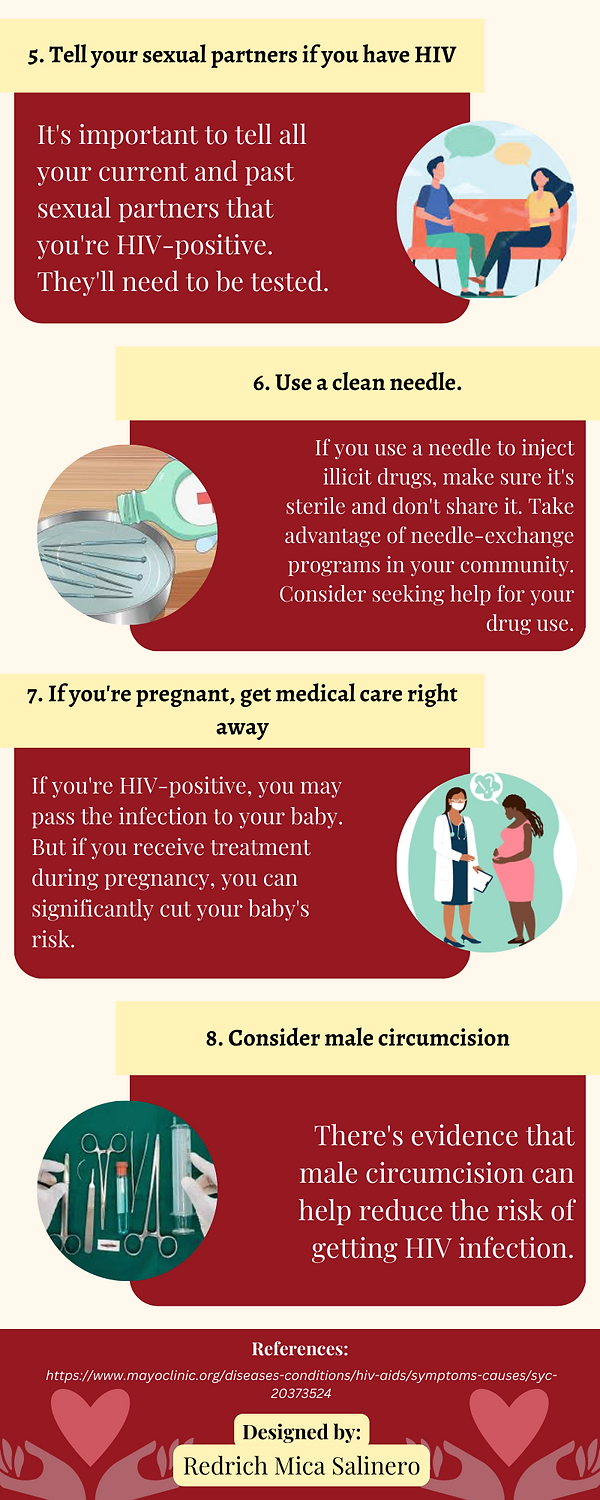
Prevention
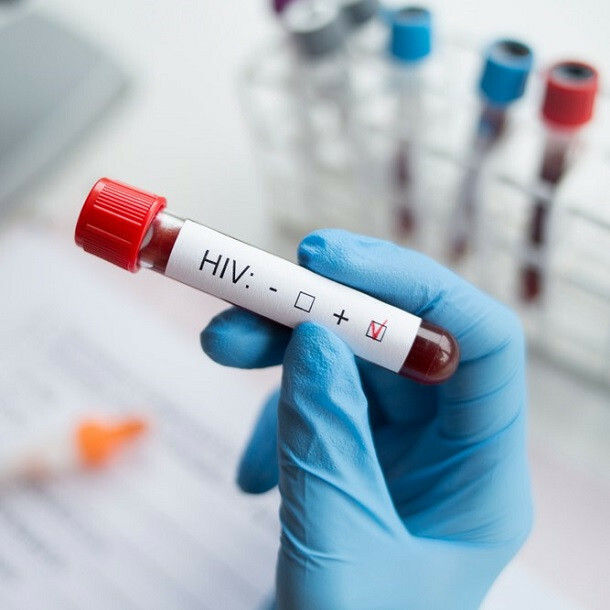
There's no vaccine to prevent HIV infection and no cure for HIV/AIDS. But you can protect yourself and others from infection. To help prevent the spread of HIV:
Treatment of HIV/ AIDS at Present
-
Currently, there's no cure for HIV/AIDS. Once you have the infection, your body can't get rid of it. However, there are many medications that can control HIV and prevent complications. Due to medical advances, people with HIV who have access to quality healthcare and receive appropriate treatment rarely develop AIDS, or stage 3 HIV.
-
The World Health Organization (WHO) and some other health agencies observe that many people with HIV manage the condition and live long healthy lives.
-
The life expectancy of a person with HIV is now approaching that of someone who tests negative for the virus. However, this only applies if the person takes a combination of drugs called antiretroviral therapy regularly and exactly how their doctor prescribes it.
-
As of 2020, around 73% of adults and 54% of children with HIV worldwide were receiving lifelong antiretroviral treatment.
What is HIV Treatment?
-
HIV treatment (antiretroviral therapy or ART) involves taking medicine as prescribed by a health care provider. HIV treatment reduces the amount of HIV in your body and helps you stay healthy.
-
There is no cure for HIV, but you can control it with HIV treatment.
-
Most people can get the virus under control within six months.
-
HIV treatment does not prevent transmission of other sexually transmitted diseases.
-
When should I start HIV treatment?
-
Start HIV treatment as soon as possible after diagnosis.
-
All people with HIV should take HIV treatment, no matter how long they’ve had HIV or how healthy they are.
-
Talk to your health care provider about any medical conditions or other medicines you are taking.
-
Are there different types of HIV treatment?
-
There are two types of HIV treatment: pills and shots.
-
Pills are recommended for people who are just starting HIV treatment. There are many FDA-approved single pill and combination medicines available.
-
People who have had an undetectable viral load (or have been virally suppressed) for at least three months may consider shots.
-
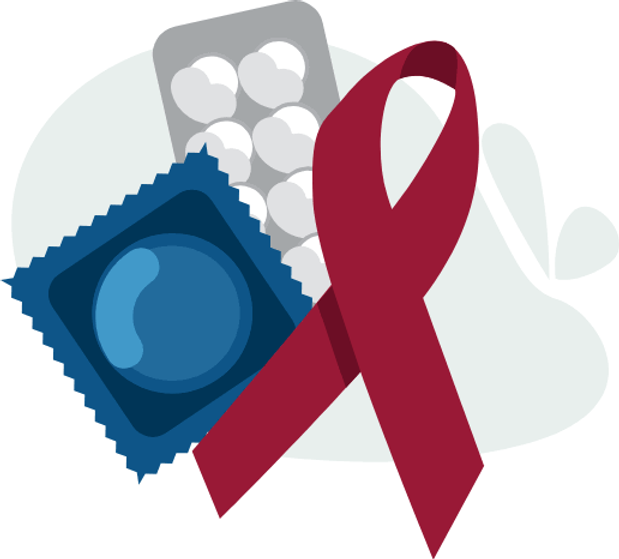
Does HIV treatment cause side effects?
HIV treatment can cause side effects in some people. However, not everyone experiences side effects. The most common side effects are
-
Nausea and vomiting
-
Diarrhea
-
Difficulty sleeping
-
Dry mouth
-
Headache
-
Rash
-
Dizziness
-
Fatigue
-
Temporary pain at the injection site (for shots)
Talk to your health care provider if your HIV treatment makes you sick. Your health care provider may prescribe additional medicines to help manage the side effects or may change your HIV treatment plan.
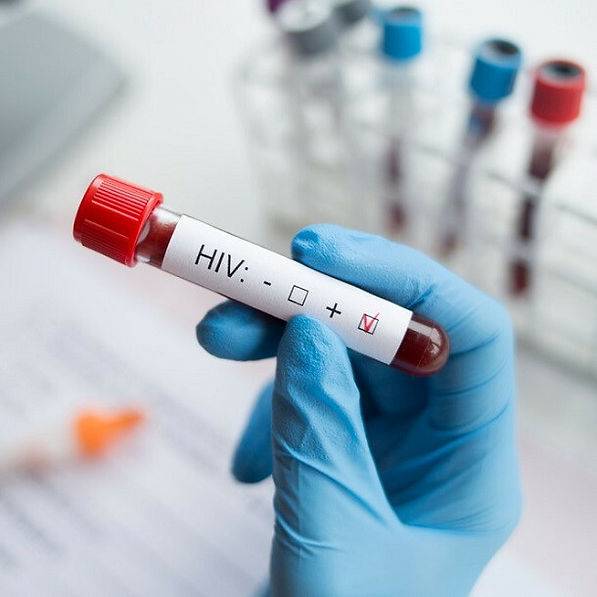
What are the benefits of taking my HIV treatment as prescribed?
-
HIV treatment reduces the amount of HIV in the blood (viral load).
-
HIV treatment prevents transmission to others.
-
Taking your HIV medicine as prescribed helps prevent drug resistance.



Contact Information

Clyza Clarisse A. Almeda
c21-1031-194@uphsl.edu.ph

Ron Gabriel M. Beltran
c21-0610-333@uphsl.edu.ph

Charmwin F. De Castro
c21-0493-313@uphsl.edu.ph

Alaiza A. Dela Cruz
c21-1614-802@uphsl.edu.ph

Elaine V. Mendoza
c21-0452-822@uphsl.edu.ph

Ivy Lizette G. Natanauan
c21-0069-526@uphsl.edu.ph